
How Much Does It Cost to Sell a Home in California?
Seller-Focused Brooke Lau August 19, 2026
Seller-Focused Brooke Lau August 19, 2026
Selling a home in California can be an exciting opportunity, but it’s important to understand the costs involved before putting your property on the market.
Many homeowners focus on the sale price, but the amount you actually walk away with depends on several expenses associated with selling. These can include real estate commissions, transfer taxes, title and escrow fees, repairs, staging, and potential capital gains taxes.
So, how much does it really cost to sell a home in California?
The answer varies from seller to seller, but understanding the major expenses can help you plan ahead and avoid surprises.
There isn't one fixed percentage that applies to every California home sale. Your total selling costs depend on your property, location, sales price, services you choose, and the terms negotiated in your transaction.
Here are some of the most common expenses sellers should consider.
One of the largest potential expenses is compensation paid to real estate professionals involved in the transaction.
There is no single state-mandated commission rate. Compensation is negotiable and can vary depending on the services provided and the agreement between the seller and their agent.
Depending on the transaction, a seller may also decide to offer compensation toward a buyer's agent's services. This is something that should be discussed with your real estate professional when developing your selling strategy.
Rather than simply choosing the lowest fee, sellers should consider the overall value of the services provided, including pricing strategy, marketing, negotiation, transaction management, and expertise.
California real estate transactions can be subject to documentary transfer taxes.
The statewide-authorized county rate is generally $0.55 for each $500 of consideration, although cities and counties may have additional local transfer taxes or different rules. The seller commonly pays the county documentary transfer tax, but who pays particular transaction costs can vary by location and contract. (California State Board of Equalization)
For example, San Francisco has its own transfer-tax structure, so sellers should not assume that the cost will be identical throughout California.
Because transfer taxes are locally administered, it's important to check the specific city and county where your property is located.
Escrow helps coordinate the financial and legal steps involved in closing the transaction.
Depending on the transaction and local customs, sellers may have expenses related to escrow, title, recording, document preparation, and other closing services.
Who pays individual title and escrow expenses can vary based on the transaction and local practice. California's Board of Equalization notes that title insurance costs and responsibility for certain closing costs can vary depending on the transaction. (California State Board of Equalization)
Before listing, you may decide to make repairs or improvements to help your home appeal to buyers.
Common projects might include:
Not every home needs major renovations. In many cases, strategic improvements can be more effective than spending money on a complete remodel.
The goal should be to determine which improvements are most likely to help your home sell successfully without over-improving for the neighborhood.
Staging can help buyers visualize how a property could look as their future home.
Depending on the property, sellers may choose professional staging, partial staging, virtual staging, or simply make improvements to the home's existing furniture and décor.
The cost can vary significantly based on the size of the property, how much furniture is needed, and how long the home is on the market.
Your agent can help determine whether staging is likely to provide value for your particular property.
Professional marketing can be another expense associated with selling a home.
Depending on the marketing plan, this could include:
A strong marketing strategy can help your property stand out and attract qualified buyers.
If you still have a mortgage, your remaining loan balance will generally be paid off from the proceeds of the sale.
This isn't technically a selling expense, but it is one of the biggest factors affecting how much money you receive at closing.
For example, if you sell your home for $1,500,000 but still owe $700,000 on your mortgage, you wouldn't receive the full $1.5 million.
Your estimated proceeds would need to account for the mortgage payoff along with selling expenses and other applicable costs.
Selling a home can potentially create a taxable capital gain.
However, homeowners may qualify for an exclusion of some capital gain on the sale of a principal residence if they meet the applicable requirements.
Because tax situations vary significantly, sellers should speak with a qualified tax professional before making assumptions about how much they will owe.
Your real estate agent can help you understand transaction-related expenses, but a tax professional should advise you about your individual tax liability.
Property taxes are another item that may appear on your closing statement.
Depending on when the property sells and how taxes have been paid, property taxes may be prorated between the buyer and seller at closing.
This doesn't necessarily represent an additional cost caused by selling the home; it is often an adjustment to make sure each party pays the appropriate portion of the taxes for the period they owned the property.
Instead of assuming that selling a home will always cost a specific percentage, it's better to create a custom seller net sheet.
A seller net sheet estimates:
Estimated Sale Price
− Mortgage Payoff
− Agent Compensation
− Transfer Taxes
− Escrow/Title & Other Closing Costs
− Repairs/Preparation
− Staging & Marketing
− Other Applicable Expenses
= Estimated Net Proceeds
The exact numbers will depend on your property and transaction.
Let's say you sell a California home for $1,500,000.
Your potential expenses could include agent compensation, transfer taxes, escrow and title-related charges, repairs, staging, and other closing expenses.
If you still have a mortgage, the remaining loan balance would also be paid from the sale proceeds.
This is why the sale price is not the same as your net proceeds.
A good listing strategy should focus not only on getting the highest possible price but also on understanding the costs required to achieve that result.
There are several ways homeowners may be able to manage their expenses.
Don't automatically spend tens of thousands of dollars renovating your home.
Instead, identify the improvements that are most likely to make a difference to buyers.
Ask your agent for a detailed breakdown of the expected selling expenses before listing.
Understanding the numbers upfront allows you to make better decisions about pricing and preparation.
Professional photography, accurate pricing, strong presentation, and targeted marketing can help your property stand out without necessarily requiring excessive spending.
Transfer taxes can vary by jurisdiction, so make sure you understand the rules for your specific city and county.
One of the most useful tools when preparing to sell is a seller's net sheet.
A net sheet estimates how much money you could potentially walk away with after accounting for your expected selling expenses and mortgage payoff.
For example:
Potential Sale Price: $1,500,000
Less Estimated Selling Costs: Varies
Less Mortgage Payoff: Varies
Estimated Net Proceeds: Varies
Your real estate professional can prepare a more detailed estimate based on your property's expected sale price and your individual circumstances.
Selling a home in California involves more than paying off your mortgage and collecting the sale price.
Potential expenses can include agent compensation, transfer taxes, escrow and title costs, repairs, staging, marketing, and other closing expenses. Tax implications may also apply depending on your circumstances.
The good news is that you don't have to guess.
Before listing your home, ask for a detailed estimate of your expected selling costs and net proceeds. Understanding these numbers can help you determine the right pricing strategy and decide which improvements are worth making.
If you're considering selling in San Francisco, Pacifica, Daly City, or the surrounding Bay Area, I can help you estimate your potential selling costs and prepare a seller net sheet so you have a clearer picture of what you could potentially walk away with.
Brooke Lau
Bay Area Realtor
Disclaimer: This article is for general informational purposes only and is not tax, legal, or financial advice. Selling costs vary by transaction and location. Consult the appropriate licensed professionals regarding your specific situation.

Buyer-Focused
If you have been searching for a home in San Francisco, you may have come across the term TIC.

Buyer-Focused
Buying a condo in San Francisco can be a great way to own a home in the city, but there is more to evaluate than the unit itself.
Buyer-Focused
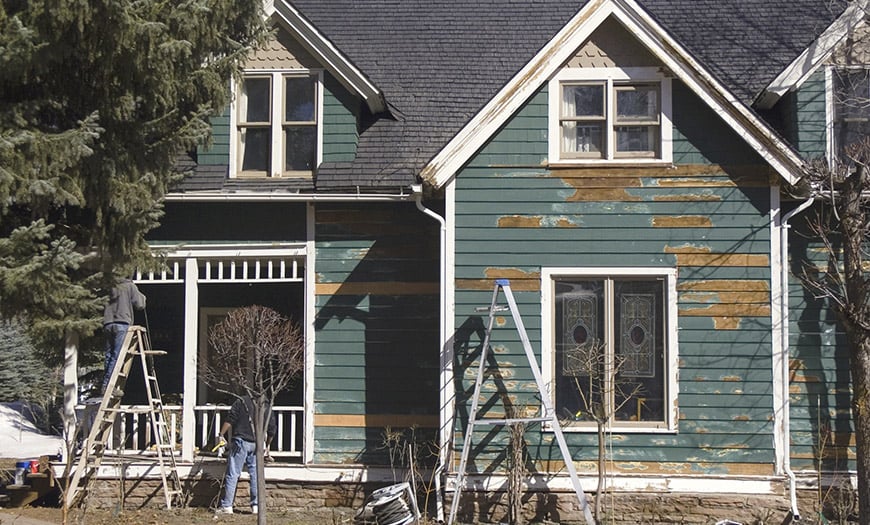
Buying a fixer-upper in the San Francisco Bay Area can be an opportunity to buy into a neighborhood you might otherwise be priced out of, create a home that fits your … Read more

Buyer-Focused
Buying a home in the San Francisco Bay Area isn't simply about choosing a city. It's about finding the right balance between budget, commute, lifestyle, space, and lon… Read more

Buyer-Focused
If you have a $1 million budget for a home in the San Francisco Bay Area, where you choose to live can make a significant difference in what that budget looks like.

Pacifica Content
Pacifica is known for its coastal scenery, beaches, hiking trails, and relaxed community feel. But if you’re considering moving here, one of the most important things … Read more

Buyer-Focused
Buying your first home is a big step, and buying in Pacifica comes with its own considerations. From understanding your budget and financing options to evaluating coas… Read more

Buyer-Focused
San Francisco may be a small city geographically, but each neighborhood can feel like its own little world.

Buyer-Focused
Buying your first home is exciting, but buying in the San Francisco Bay Area can feel especially complicated.
Get assistance in determining current property value, crafting a competitive offer, writing and negotiating a contract, and much more. Contact me today.