
Do You Really Need 20% Down to Buy a Home in California?
Buyer-Focused Brooke Lau August 19, 2026
Buyer-Focused Brooke Lau August 19, 2026
If you've been thinking about buying a home in California, you may have heard the same advice over and over again:
“You need 20% down.”
But is that actually true?
No. While putting 20% down can have advantages, it is not a requirement for many homebuyers. Depending on the loan program and your financial situation, you may be able to purchase a home with significantly less than 20% down. The California Department of Real Estate notes that government-backed loans can allow down payments as low as 0% to 3.5%, while some conventional loans also allow lower down payments. (California Department of Real Estate)
For California buyers—especially first-time buyers facing high home prices—understanding your options can make homeownership feel much more achievable.
A 20% down payment means you're putting 20% of the home's purchase price toward the purchase upfront and financing the remaining 80%.
For example, on a $1,000,000 home:
20% down = $200,000
Your mortgage would then be approximately $800,000, before accounting for closing costs and other expenses.
A larger down payment can reduce the amount you need to borrow and may help you avoid private mortgage insurance (PMI) on a conventional loan.
But that doesn't mean 20% is the only option.
The amount you'll need depends on the mortgage program you qualify for.
Some conventional loan programs allow qualified buyers to put down as little as 3%.
A lower down payment means you can purchase sooner without waiting years to save 20%. However, putting less than 20% down may mean paying PMI and can result in a higher monthly payment.
FHA loans can allow qualified buyers to put down as little as 3.5%. The California Department of Real Estate also notes that FHA financing generally requires mortgage insurance. (California Department of Real Estate)
For example, on a $700,000 home:
3.5% down = $24,500
That's substantially less than a 20% down payment of $140,000.
However, FHA loans have specific eligibility requirements and loan limits, so buyers should compare them with conventional financing.
Eligible veterans, active-duty service members, and certain other qualified borrowers may be able to purchase a home with no down payment through a VA-backed purchase loan, subject to program and lender requirements. VA-backed loans also generally don't require PMI. (Veterans Affairs)
For eligible buyers, this can be a significant advantage.
California also has programs designed to help eligible buyers with their down payment and closing costs.
The California Housing Finance Agency (CalHFA) offers several programs for eligible homebuyers. For example, the MyHome Assistance Program can provide qualified first-time buyers with a deferred-payment junior loan of up to 3.5% of the purchase price or appraised value for FHA loans, or up to 3% for eligible conventional loans, subject to program requirements. (CalHFA)
CalHFA also offers other programs that may help eligible buyers with down payment or closing costs.
Programs change over time, so buyers should verify current eligibility, income limits, funding availability, and program requirements before relying on assistance.
Another program California buyers may hear about is the California Dream For All Shared Appreciation Loan.
The 2026 program provides eligible first-generation homebuyers with potential assistance of up to 20% of the purchase price or appraised value, subject to program limits and requirements. The assistance is structured as a shared-appreciation loan, meaning repayment can include the original assistance plus a share of appreciation when the home is sold or transferred. (CalHFA)
Because these programs have specific eligibility requirements and limited funding, buyers should check the latest information directly with CalHFA and an approved lender.
Even though 20% isn't required, there are reasons some buyers choose to put that much down.
With many conventional loans, putting less than 20% down can result in PMI.
PMI protects the lender—not the homeowner—and adds to your monthly housing expense.
A larger down payment means a smaller mortgage.
That can reduce your monthly principal and interest payment and potentially reduce the total amount of interest paid over the life of the loan.
A larger down payment can potentially make it easier to qualify for a particular loan amount because you're borrowing less relative to the home's purchase price.
However, your income, credit, debts, assets, and the lender's underwriting requirements all matter.
Putting 20% down isn't automatically the best financial decision.
Imagine you have $250,000 available for a home purchase.
You could potentially put $200,000 down on a $1 million home—but that would leave only $50,000 for everything else.
Homeownership comes with expenses beyond the down payment, including closing costs, property taxes, insurance, maintenance, repairs, and potentially HOA dues.
The California Department of Real Estate recommends considering these costs in addition to the down payment. (California Department of Real Estate)
Having cash reserves after closing can be extremely important.
Your down payment isn't the only cash you'll need when buying a home.
California's Department of Real Estate estimates that buyers may need approximately 3% to 7% of the purchase price for closing costs, although actual costs vary by transaction. (California Department of Real Estate)
These costs can include things such as:
Your lender and escrow provider can provide a more precise estimate for your specific transaction.
Let's say you're purchasing a $1,000,000 home.
Down Payment | Amount |
|---|---|
3% | $30,000 |
3.5% | $35,000 |
5% | $50,000 |
10% | $100,000 |
20% | $200,000 |
These numbers are examples only. Your actual minimum down payment depends on the loan program, property, lender, borrower qualifications, and other factors.
And remember: closing costs are separate from the down payment.
Not necessarily.
A smaller down payment can help you purchase sooner and preserve cash, but it can also mean:
On the other hand, putting 20% or more down can reduce your mortgage balance and potentially eliminate PMI, but it may leave you with less cash available for emergencies or other financial goals.
The right answer depends on your individual situation.
Instead of asking:
“How much do I need to put down?”
Consider asking:
“How much can I comfortably put down while still maintaining healthy cash reserves?”
A good homebuying plan should consider your:
A lender can help you compare different scenarios and determine how different down payments would affect your monthly payment and overall loan costs.
You do not necessarily need 20% down to buy a home in California.
Qualified buyers may have options ranging from very low down payments to zero-down financing for certain eligible programs. California also offers down payment assistance programs for eligible buyers. (California Department of Real Estate)
The important thing is not simply finding the smallest possible down payment. It's finding a financing strategy that allows you to purchase a home while keeping your monthly payment and overall finances manageable.
If you're considering buying in San Francisco, Pacifica, Daly City, or elsewhere in the Bay Area, don't assume you need $200,000—or more—saved before you can start exploring your options.
If you're not sure how much you need to save or what price range may be realistic for you, start with a conversation with a qualified lender. Once you understand your financing options, a real estate professional can help you explore homes that fit your budget and goals.
Brooke Lau
Bay Area Realtor
Disclaimer: This article is for general informational purposes only and is not mortgage, tax, legal, or financial advice. Loan programs, rates, eligibility requirements, and assistance programs can change. Speak with a qualified lender to determine which options you may personally qualify for.

Buyer-Focused
If you have been searching for a home in San Francisco, you may have come across the term TIC.

Buyer-Focused
Buying a condo in San Francisco can be a great way to own a home in the city, but there is more to evaluate than the unit itself.
Buyer-Focused
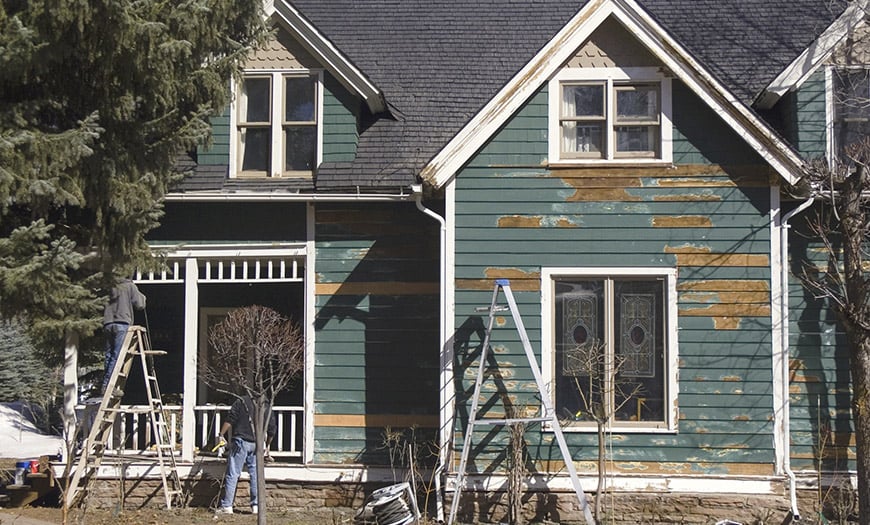
Buying a fixer-upper in the San Francisco Bay Area can be an opportunity to buy into a neighborhood you might otherwise be priced out of, create a home that fits your … Read more

Buyer-Focused
Buying a home in the San Francisco Bay Area isn't simply about choosing a city. It's about finding the right balance between budget, commute, lifestyle, space, and lon… Read more

Buyer-Focused
If you have a $1 million budget for a home in the San Francisco Bay Area, where you choose to live can make a significant difference in what that budget looks like.
Pacifica Content
Pacifica is known for its coastal scenery, beaches, hiking trails, and relaxed community feel. But if you’re considering moving here, one of the most important things … Read more
Buyer-Focused
Buying your first home is a big step, and buying in Pacifica comes with its own considerations. From understanding your budget and financing options to evaluating coas… Read more

Buyer-Focused
San Francisco may be a small city geographically, but each neighborhood can feel like its own little world.
Buyer-Focused
Buying your first home is exciting, but buying in the San Francisco Bay Area can feel especially complicated.
Get assistance in determining current property value, crafting a competitive offer, writing and negotiating a contract, and much more. Contact me today.