
Can I Afford a Home in the Bay Area on a $150K Salary? A 2026 Guide
Buyer-Focused Brooke Lau August 19, 2026
Buyer-Focused Brooke Lau August 19, 2026
If you earn $150,000 a year, you may be wondering whether buying a home in the Bay Area is realistic.
The short answer is: yes, it may be possible—but where you buy, what type of property you choose, your down payment, debts, credit, and monthly budget will make a big difference.
The Bay Area remains one of the most expensive housing markets in the country. In the second quarter of 2026, the median price for an existing single-family home in the San Francisco Bay Area was approximately $1.42 million. C.A.R. estimated that a household needed about $353,600 in annual income to afford that median-priced home under its affordability assumptions. (California Association of Realtors)
That doesn't mean someone earning $150,000 can't become a homeowner. It means you may need to approach the purchase differently.
A $150,000 annual salary equals approximately:
$12,500 gross income per month
However, your gross salary isn't the same as the amount you have available for housing.
Your actual take-home pay depends on factors such as:
Lenders also look at your overall financial profile, including your debts, assets, credit history, and income.
There's no universal purchase price that someone earning $150,000 can afford.
Two people with the same salary could have completely different purchasing power.
For example, one buyer may have:
Another buyer may have:
Even though both earn $150,000, their mortgage qualifications could be very different.
That's why getting pre-approved is one of the most important first steps.
The biggest challenge is that Bay Area home prices are significantly higher than the national average.
C.A.R.'s second-quarter 2026 data put the Bay Area median single-family home price at approximately $1.42 million, compared with $916,750 statewide. (California Association of Realtors)
San Francisco was even higher, with a median single-family home price of approximately $2.15 million in C.A.R.'s second-quarter affordability data. (California Association of Realtors)
For someone earning $150,000, purchasing a typical San Francisco single-family home on a single income would therefore be extremely difficult without substantial additional assets, a large down payment, or another source of qualifying income.
But that doesn't mean you have to give up on homeownership.
One way Bay Area buyers can make homeownership more attainable is by considering condos and townhomes.
Condos and townhomes can have lower purchase prices than single-family homes, although HOA dues need to be included in your monthly budget.
Across California, C.A.R. reported a median condo/townhome price of $670,000 in the second quarter of 2026, with an estimated minimum qualifying income of $166,800 under its affordability assumptions. (California Association of Realtors)
The Bay Area has a wide range of condo and townhome prices, so looking beyond the median can uncover opportunities that better fit your budget.
If you're committed to buying on a $150,000 salary, location can make a huge difference.
Instead of focusing only on San Francisco, consider looking at communities throughout the Peninsula and East Bay.
Depending on your priorities, you might explore areas such as:
For example, C.A.R.'s June 2026 data showed median single-family prices of approximately $920,000 in Contra Costa County and $590,000 in Solano County, compared with approximately $2.13 million in San Francisco. (California Association of Realtors)
Of course, prices vary significantly within each county and neighborhood.
You don't necessarily need 20% down to buy a home.
Depending on your qualifications, you may have access to conventional, FHA, VA, or other financing options that require less upfront cash.
However, putting less money down can result in a larger loan balance, higher monthly payments, and potentially mortgage insurance.
The goal isn't simply to find the smallest possible down payment. It's to determine a down payment that allows you to purchase while still maintaining healthy cash reserves.
If you're considering a condo or townhome, remember that your monthly housing cost isn't just your mortgage.
You'll also need to account for:
A condo with a lower purchase price can still have a significant monthly payment if the HOA dues are high.
California property taxes also need to be included in your affordability calculation.
Your lender will generally include estimated property taxes and insurance when calculating your overall monthly housing payment.
This is important because a home that appears affordable based solely on the mortgage payment may become considerably more expensive once taxes, insurance, and HOA dues are added.
Potentially—but your options may be more limited than someone purchasing with two incomes.
Your strongest opportunities may come from:
Buying a condo instead of a single-family home
Looking at more affordable Bay Area communities
Having a larger down payment
Taking advantage of eligible assistance programs
Paying down other debts
Considering a co-borrower or second income
Being flexible about size, location, or property type
The right strategy depends on your personal financial situation.
A lender can determine your estimated purchasing power based on your income, debts, credit, assets, and down payment.
Don't rely on an online affordability calculator alone.
Just because a lender approves you for a certain amount doesn't mean you should spend that much.
Think about the monthly payment you would actually feel comfortable making.
Know how much you can comfortably use for:
If your goal is homeownership, expanding your search beyond the most expensive neighborhoods can make a significant difference.
A condo, townhome, TIC, duplex, or single-family home can have very different price points and ownership costs.
Can you afford a Bay Area home on a $150,000 salary?
You may be able to—but you're likely going to need to be strategic.
A $150,000 salary may not comfortably support the median-priced Bay Area single-family home on its own. C.A.R.'s second-quarter 2026 affordability data illustrates just how challenging the market is, with the region's median single-family home requiring an estimated qualifying income of $353,600. (California Association of Realtors)
However, homeownership isn't limited to buying the median-priced house.
By considering condos and townhomes, exploring different neighborhoods, evaluating lower-cost communities, improving your financial profile, and understanding your financing options, you may find a path that works for you.
The key is to start with your actual numbers rather than assuming you can't afford to buy.
If you're earning around $150,000 and aren't sure what you can realistically afford, start by getting pre-approved with a qualified lender. Once you know your price range, I can help you explore neighborhoods and properties that fit your budget.
Brooke Lau
Bay Area Realtor
Disclaimer: This article is for general informational purposes only and is not mortgage, tax, legal, or financial advice. Affordability depends on individual income, debts, credit, assets, interest rates, down payment, property taxes, insurance, HOA dues, and lender requirements. Speak with a qualified lender for a personalized affordability assessment.
Buyer-Focused
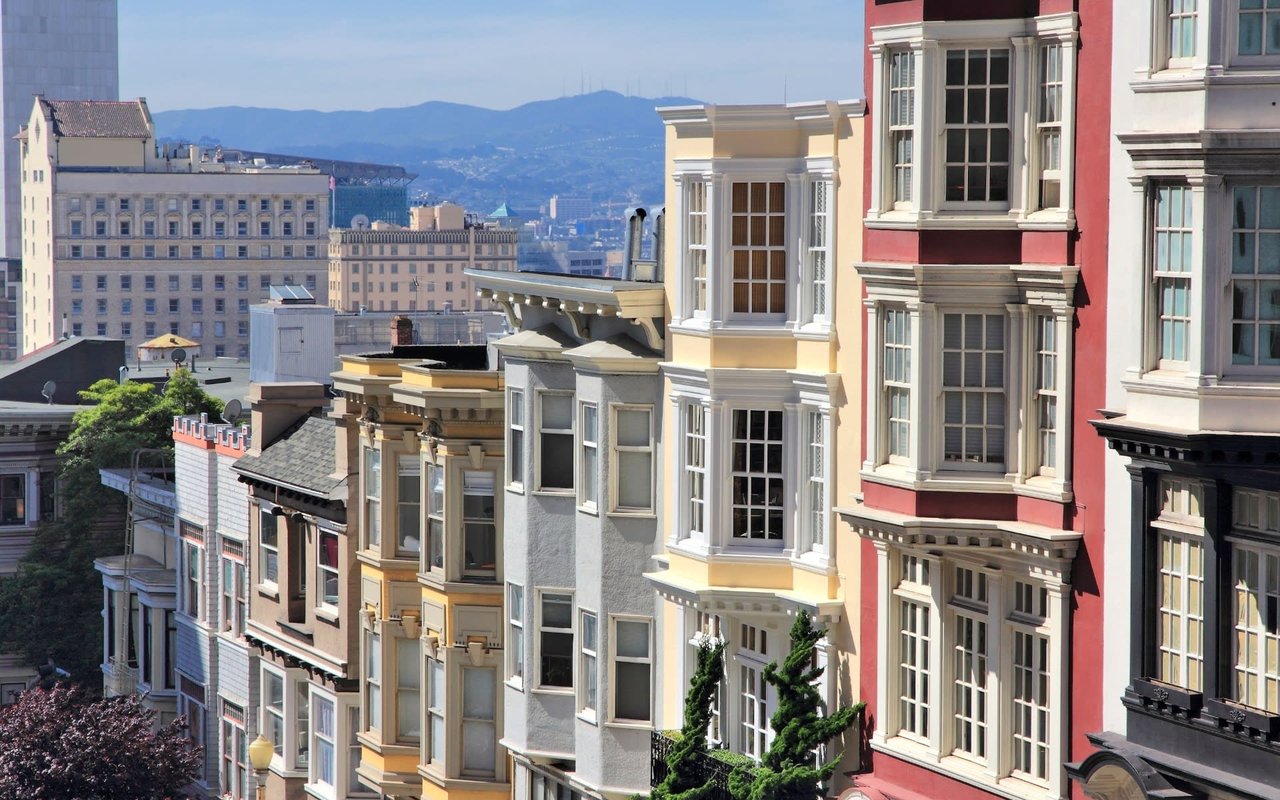
If you have been searching for a home in San Francisco, you may have come across the term TIC.

Buyer-Focused
Buying a condo in San Francisco can be a great way to own a home in the city, but there is more to evaluate than the unit itself.
Buyer-Focused
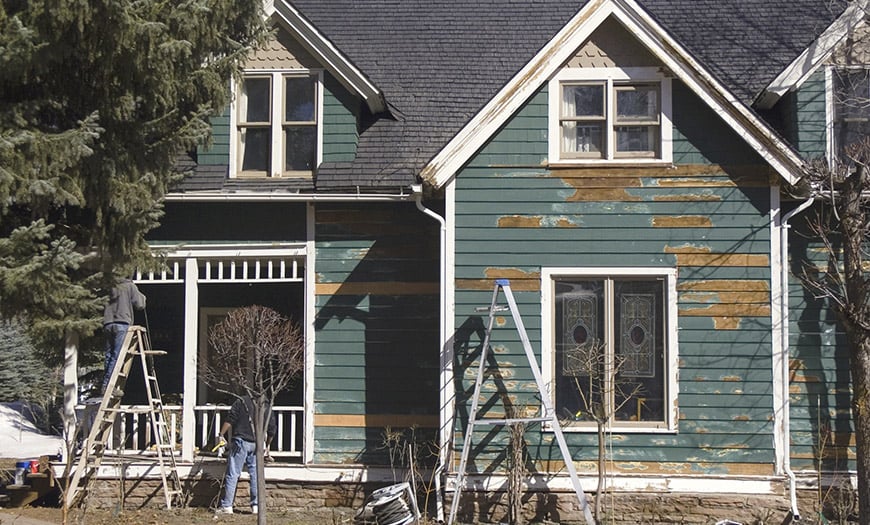
Buying a fixer-upper in the San Francisco Bay Area can be an opportunity to buy into a neighborhood you might otherwise be priced out of, create a home that fits your … Read more

Buyer-Focused
Buying a home in the San Francisco Bay Area isn't simply about choosing a city. It's about finding the right balance between budget, commute, lifestyle, space, and lon… Read more
Buyer-Focused
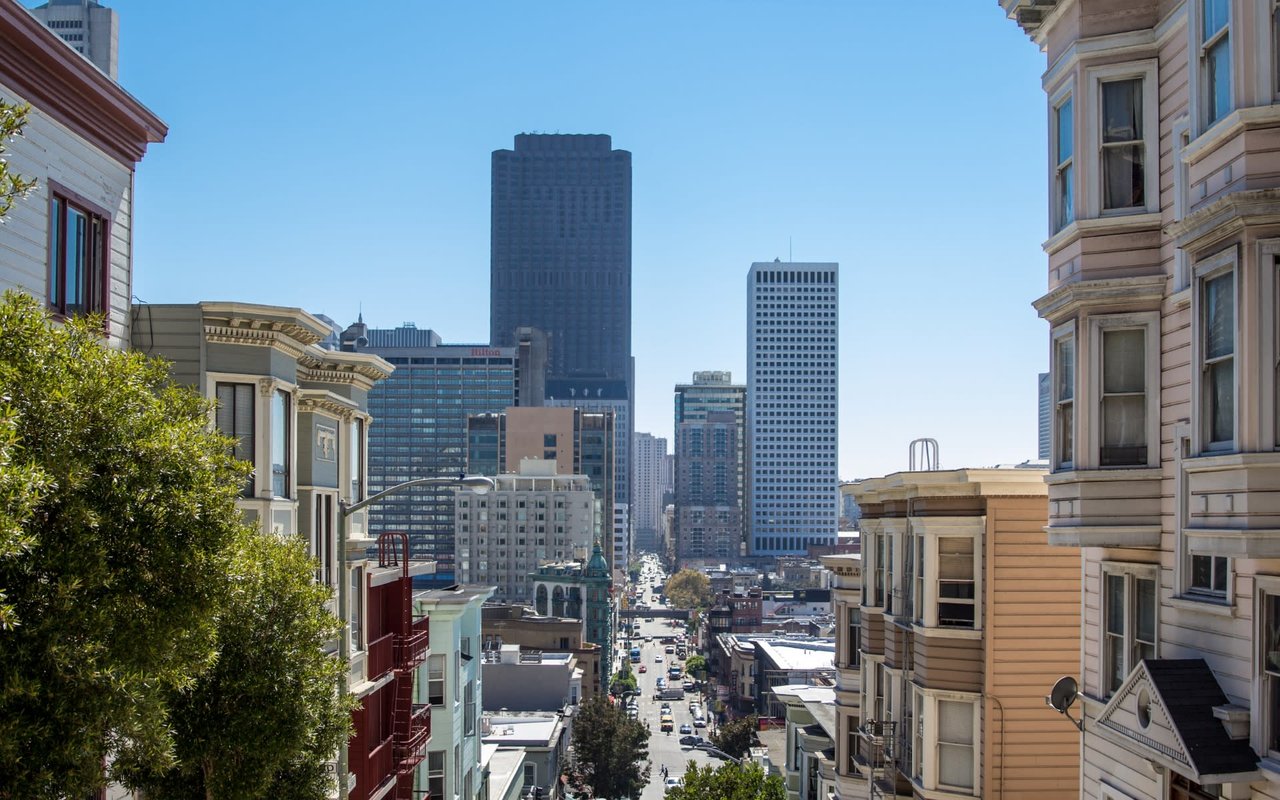
If you have a $1 million budget for a home in the San Francisco Bay Area, where you choose to live can make a significant difference in what that budget looks like.
Pacifica Content
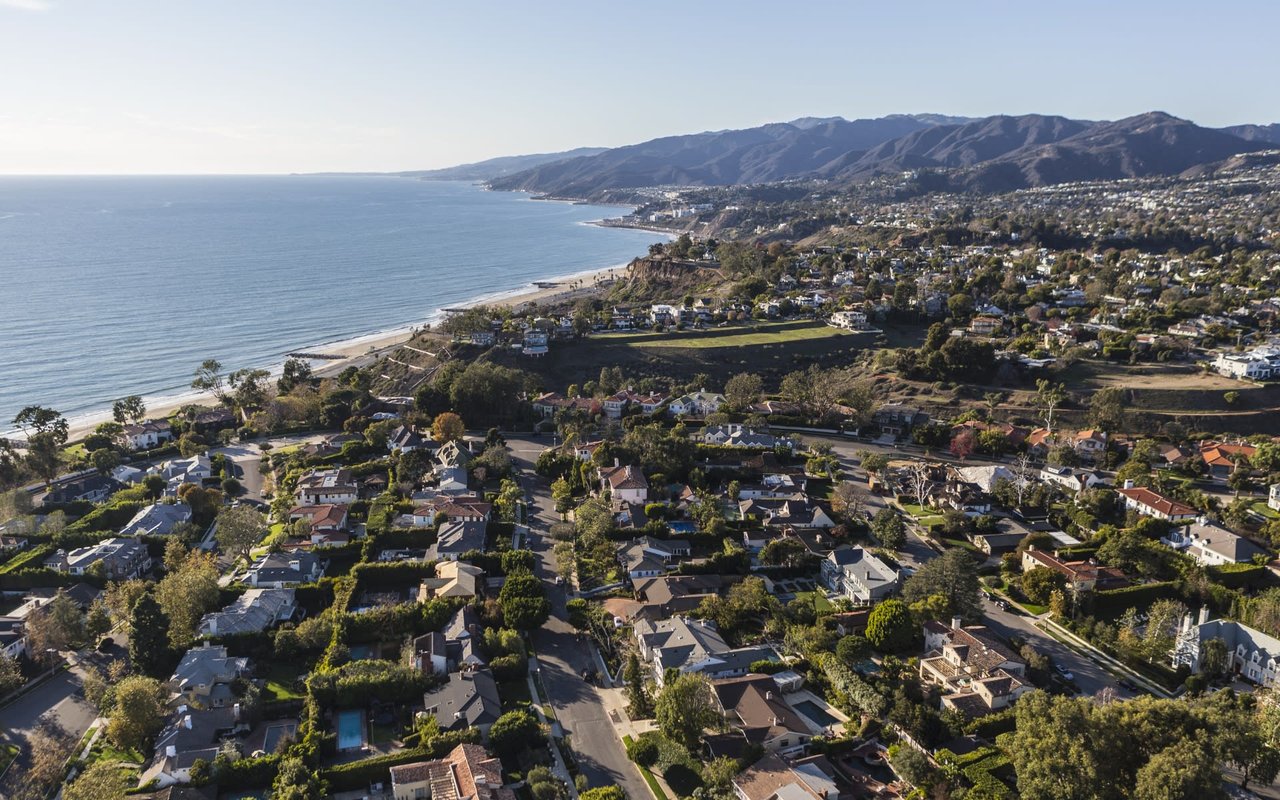
Pacifica is known for its coastal scenery, beaches, hiking trails, and relaxed community feel. But if you’re considering moving here, one of the most important things … Read more
Buyer-Focused
Buying your first home is a big step, and buying in Pacifica comes with its own considerations. From understanding your budget and financing options to evaluating coas… Read more
Buyer-Focused
San Francisco may be a small city geographically, but each neighborhood can feel like its own little world.
Buyer-Focused
Buying your first home is exciting, but buying in the San Francisco Bay Area can feel especially complicated.
Get assistance in determining current property value, crafting a competitive offer, writing and negotiating a contract, and much more. Contact me today.