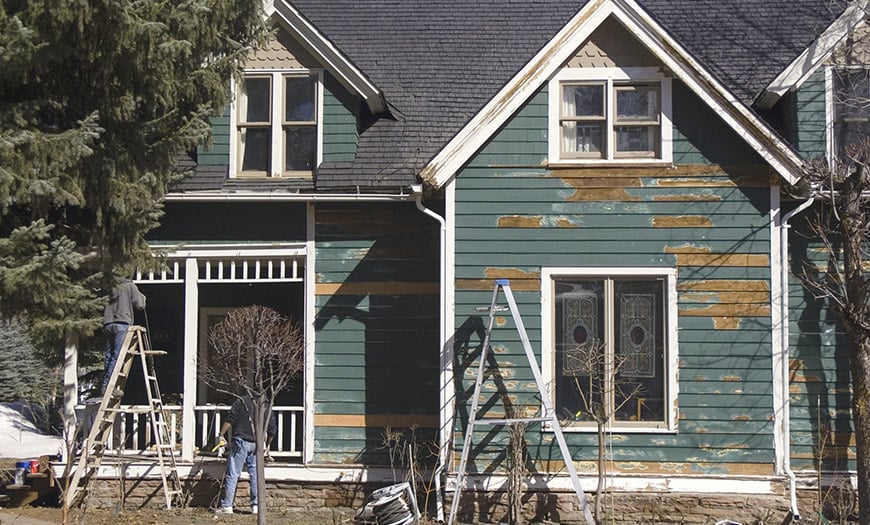
Should You Buy a Fixer-Upper in the San Francisco Bay Area?
Buyer-Focused Brooke Lau September 30, 2026
Buyer-Focused Brooke Lau September 30, 2026
Buying a fixer-upper in the San Francisco Bay Area can be an opportunity to buy into a neighborhood you might otherwise be priced out of, create a home that fits your lifestyle, and potentially build equity through improvements.
But a fixer-upper is not automatically a good deal.
In the Bay Area, renovation costs, permits, contractor availability, older housing stock, and unexpected structural or systems issues can add up quickly. The key is understanding what you are actually buying before deciding whether the lower purchase price is worth the work.
Here is what Bay Area buyers should consider before purchasing a fixer-upper.
A fixer-upper is a home that needs repairs, updates, or renovations before it reaches the condition you want.
Not every fixer-upper is the same.
A home that needs new paint, flooring, fixtures, and landscaping is very different from a home that needs a new roof, electrical work, plumbing, foundation repairs, or a major remodel.
It can help to think about fixer-uppers in three categories:
Cosmetic fixer
These homes may need:
Moderate renovation
These homes may need:
Major fixer
These properties may involve:
The difference between these categories can mean hundreds of thousands of dollars.
One of the biggest advantages of buying a fixer-upper is that you may have more choices when it comes to location.
You might find a property in a neighborhood where move-in-ready homes are outside your budget, but a property needing work is within reach.
For example, a buyer might be willing to take on a renovation in exchange for living in a neighborhood they already love.
This can be particularly relevant in areas with older housing stock throughout San Francisco, Daly City, Pacifica, San Mateo, and other established Bay Area communities.
Another benefit is customization.
Instead of buying a recently renovated home where someone else has already chosen the finishes, you can potentially design the home around your own needs and preferences.
A fixer-upper listed for $900,000 may look attractive next to a renovated home selling for $1.2 million.
But the real comparison is not:
$900,000 vs. $1.2 million
It is:
Purchase price + renovation + permits + professional fees + financing + contingency + carrying costs
That can change the equation quickly.
Suppose you purchase a home for $900,000 and spend:
Your actual investment could be significantly higher than the original purchase price.
This is why I recommend looking at the entire project before deciding whether the property is a good opportunity.
There is no single price per square foot that applies to every Bay Area renovation.
The cost depends heavily on the property's size, age, condition, location, scope of work, materials, contractor, permits, and whether structural or systems work is required.
As a general planning exercise, buyers should obtain actual contractor estimates rather than relying on a listing description or a rough internet estimate.
A cosmetic project might be manageable with a relatively modest budget.
A whole-home renovation can become a much larger investment.
One recent 2026 Bay Area remodeling estimate puts renovation costs at roughly $100 to $500+ per square foot depending on the scope, with full renovations potentially reaching several hundred thousand dollars or more.
Treat these numbers as planning ranges, not quotes. Your specific property should be evaluated by qualified professionals.
A fixer-upper should receive thorough due diligence.
Depending on the property, this may include:
Older Bay Area homes can have systems that require particular attention.
For example, buyers may encounter older electrical systems, aging plumbing, foundation concerns, drainage problems, or previous work that was completed without the appropriate permits.
The goal is not to find a perfect house.
The goal is to understand the house well enough to make an informed decision.
Permits are an important part of evaluating a fixer-upper.
The requirements vary by city and by the type of work being performed.
In San Francisco, for example, the Department of Building Inspection requires permits for many remodeling projects, including certain kitchen and bathroom renovations.
If you are considering a property with extensive previous renovations, ask questions about whether the work was properly permitted.
Unpermitted work does not automatically mean you should walk away, but it is something you should understand before purchasing.
You may want to investigate:
Before making an offer on a major fixer, getting contractor input can be extremely valuable.
Ideally, you want more than a rough number.
Ask contractors to help you understand:
And whenever possible, get multiple bids.
California's Contractors State License Board recommends using licensed contractors and checking references before hiring someone for home improvement work.
Renovations rarely go exactly according to plan.
Once walls are opened or old systems are inspected more closely, additional issues can sometimes appear.
That is why I would not recommend budgeting every available dollar toward the renovation itself.
Instead, leave room for surprises.
For example, if your contractor estimates a project at $150,000, you may not want your total available renovation budget to be exactly $150,000.
Your lender, contractor, architect, or other professionals can help you determine an appropriate contingency based on the project.
Money isn't the only cost of a fixer-upper.
There is also time.
A renovation can take weeks or months depending on the scope.
During that period, you may have:
If you are buying a home that requires extensive work, think about where you will live during the renovation and how much that will cost.
Financing can also be more complicated than purchasing a move-in-ready home.
Some lenders may have restrictions based on the condition of the property.
Depending on your situation, you may consider options such as:
Talk with a qualified lender early in the process.
You want to understand not only whether you can purchase the property, but also how you will fund the improvements.
A fixer-upper may be worth considering if:
The location can be especially important.
You can change a kitchen.
You can replace flooring.
You can update a bathroom.
You cannot move the house to a different neighborhood.
A fixer-upper deserves additional scrutiny if:
The cheapest house in a neighborhood is not necessarily the best opportunity.
Sometimes the lower purchase price simply reflects the amount of work required.
Before making an offer, try this basic calculation:
Purchase Price
Estimated Renovation Costs
Permits and Professional Fees
Financing and Carrying Costs
Contingency
=
Estimated Total Investment
Then compare that number with recently sold homes that are similar in size, location, condition, and quality after renovation.
This is where working with a knowledgeable local real estate professional can be helpful.
The goal isn't to predict exactly what the home will be worth in the future.
It is to understand the range of outcomes and determine whether the numbers make sense for your particular goals.
Some buyers are comfortable doing portions of the work themselves.
Painting, landscaping, light cosmetic improvements, and other projects may be manageable for experienced homeowners.
However, electrical, plumbing, structural, roofing, and other specialized work can require professional expertise, permits, and licensing.
If you plan to do some work yourself, understand exactly what you are taking on before you purchase.
Before submitting an offer, ask:
These questions can help turn an emotional decision into a more informed financial decision.
A fixer-upper can be a great fit for the right buyer, but it should be approached as both a home purchase and a construction project.
The most important thing is not simply finding the property with the lowest price.
It is understanding the property's condition, estimating the renovation realistically, allowing room for unexpected costs, and making sure the overall investment fits your budget and goals.
In the San Francisco Bay Area, where location can have a significant impact on home values, a property that needs work may provide an opportunity to get into a neighborhood you love.
But before making an offer, do your homework.
Get the inspections. Talk with contractors. Understand the permits. Review the numbers. And give yourself enough financial breathing room for the unexpected.
A fixer-upper should be a project you are prepared to take on, not a project you discover you cannot afford after you own it.
If you're considering a fixer-upper in San Francisco, Pacifica, Daly City, or another Bay Area community, I can help you compare the property with recent sales, look at the neighborhood market, and think through the numbers before you make an offer.
Buyer-Focused
If you have been searching for a home in San Francisco, you may have come across the term TIC.

Buyer-Focused
Buying a condo in San Francisco can be a great way to own a home in the city, but there is more to evaluate than the unit itself.
Buyer-Focused
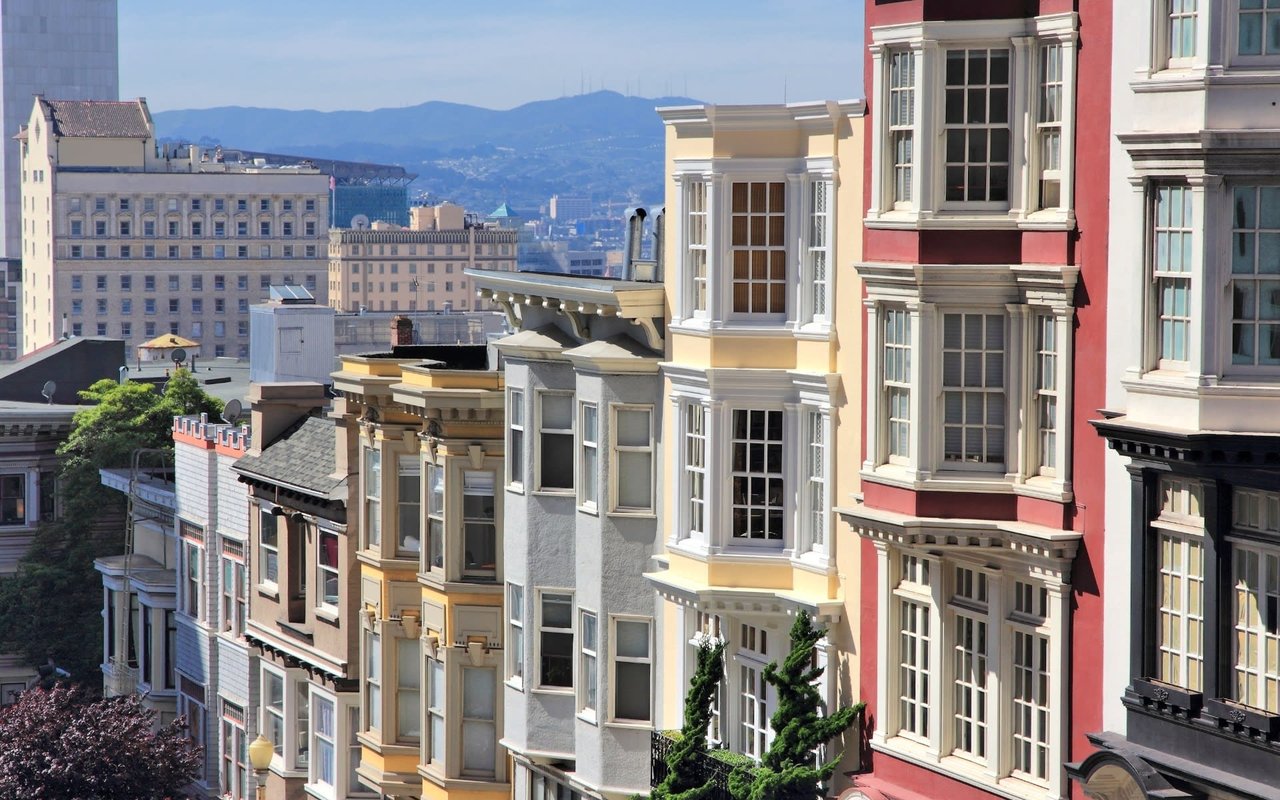
Buying a fixer-upper in the San Francisco Bay Area can be an opportunity to buy into a neighborhood you might otherwise be priced out of, create a home that fits your … Read more

Buyer-Focused
Buying a home in the San Francisco Bay Area isn't simply about choosing a city. It's about finding the right balance between budget, commute, lifestyle, space, and lon… Read more
Buyer-Focused
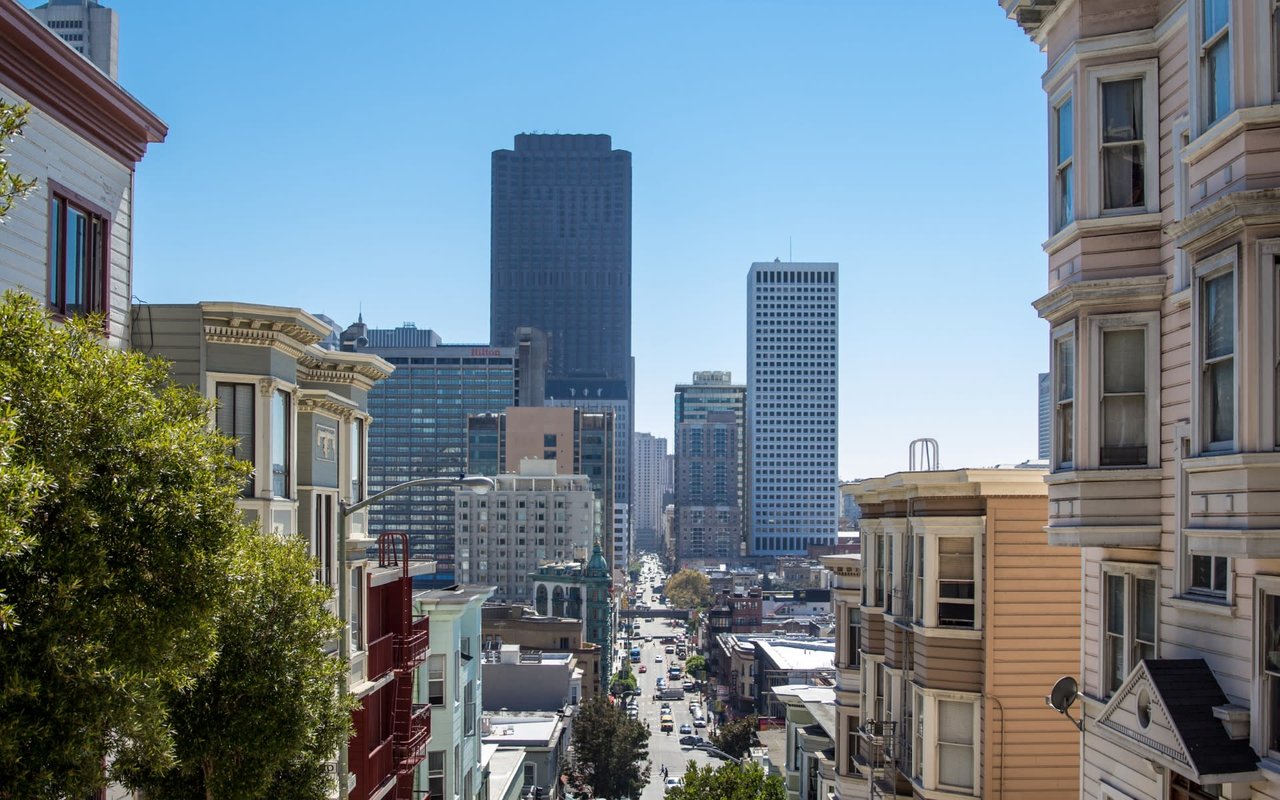
If you have a $1 million budget for a home in the San Francisco Bay Area, where you choose to live can make a significant difference in what that budget looks like.
Pacifica Content
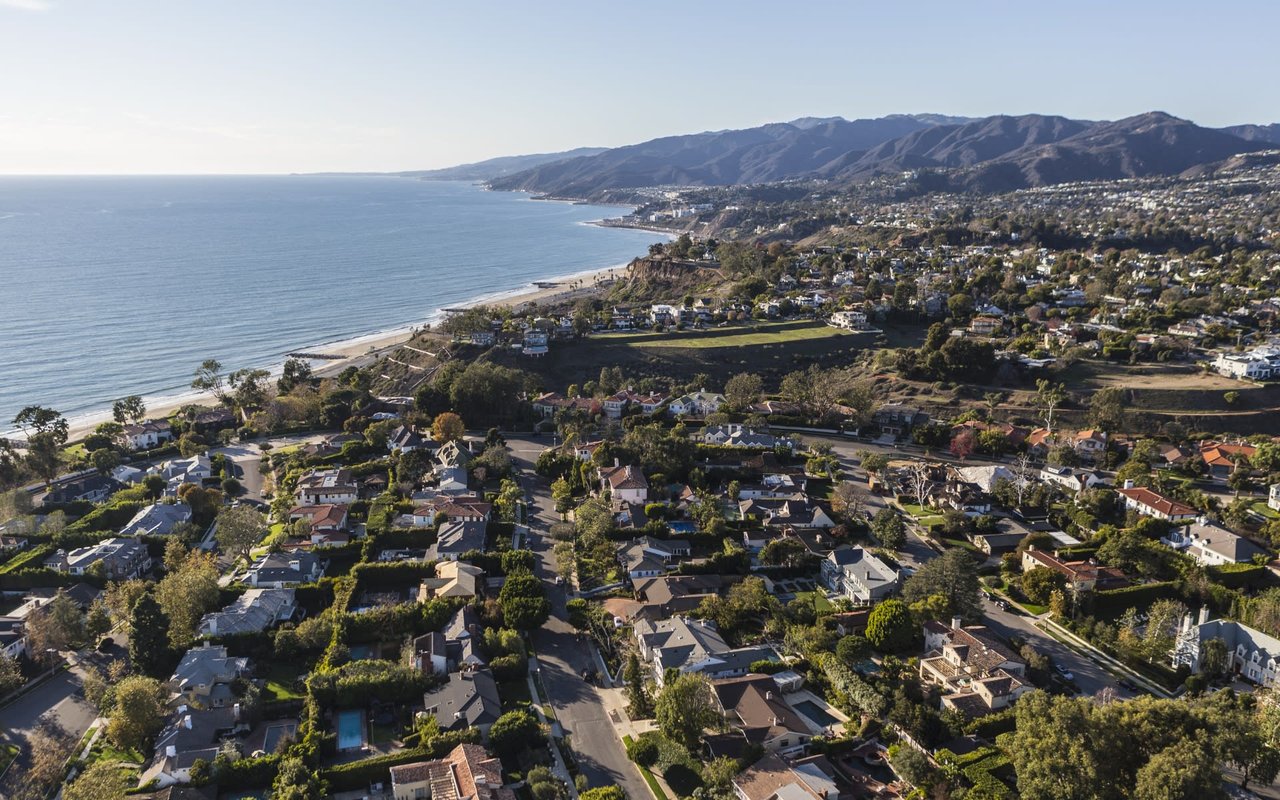
Pacifica is known for its coastal scenery, beaches, hiking trails, and relaxed community feel. But if you’re considering moving here, one of the most important things … Read more
Buyer-Focused
Buying your first home is a big step, and buying in Pacifica comes with its own considerations. From understanding your budget and financing options to evaluating coas… Read more
Buyer-Focused
San Francisco may be a small city geographically, but each neighborhood can feel like its own little world.
Buyer-Focused
Buying your first home is exciting, but buying in the San Francisco Bay Area can feel especially complicated.
Get assistance in determining current property value, crafting a competitive offer, writing and negotiating a contract, and much more. Contact me today.