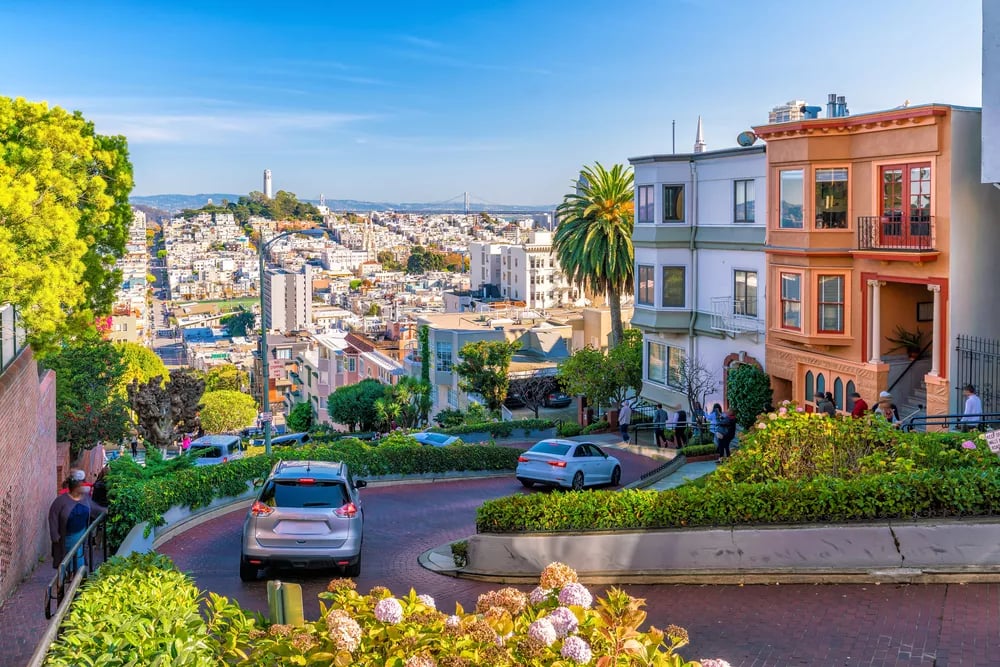
San Francisco Bay Area Housing Market 2026: What Buyers and Sellers Need to Know
Market Insight Brooke Lau September 15, 2026
Market Insight Brooke Lau September 15, 2026
If you are buying or selling a home in the San Francisco Bay Area in 2026, one of the most important things to understand is this:
There is no single Bay Area housing market.
San Francisco, San Mateo County, Alameda County, Contra Costa County, Marin County, Pacifica, Daly City, and the broader Peninsula can all experience different levels of inventory, pricing, competition, and buyer demand at the same time.
That is why headlines about the “Bay Area housing market” do not always tell the full story.
As of 2026, the market is being shaped by several competing forces: elevated mortgage rates, limited housing supply, affordability challenges, strong demand in certain communities, and significant differences between neighborhoods and property types.
Here is what the numbers actually mean for buyers and sellers.
According to the California Association of REALTORS® (C.A.R.), the median price for an existing single-family home in the San Francisco Bay Area was $1.42 million in the second quarter of 2026.
But that regional number hides some very large differences.
For example:
These figures are median prices for existing single-family homes and are not directly comparable to the price of every property type in each market. A condo, townhome, TIC, or multifamily property can have a very different price range.
And that difference matters.
A buyer with a $1 million budget may have very limited single-family options in San Francisco or San Mateo County, while having a broader range of possibilities in parts of Alameda or Contra Costa County.
The same $1 million budget can create a completely different home search depending on where you look.
San Francisco has been one of the strongest markets in the Bay Area in 2026.
C.A.R. reported that San Francisco County's median home price increased 25.2% year over year in July 2026, the largest increase among California counties that month. C.A.R. attributed the city's price strength to exceptionally tight inventory and strong demand, particularly at the higher end of the market.
At the same time, active listings in San Francisco were down 41.5% from July 2025, the largest year-over-year decline among California counties tracked by C.A.R.
For buyers:
A desirable San Francisco property can still attract significant competition, particularly when it is well priced, updated, and located in a sought-after neighborhood.
Buyers should not assume that higher mortgage rates automatically mean sellers will accept substantially lower offers.
For sellers:
Limited inventory can work in your favor, but pricing still matters.
A home that is priced appropriately and presented well can benefit from the lack of competing inventory. However, not every San Francisco property will receive multiple offers.
The condition, location, property type, price point, and recent comparable sales all matter.
San Mateo County remains one of the most expensive housing markets in the Bay Area.
C.A.R.'s Q2 2026 data placed the median single-family home price at approximately $2.327 million. A household needed an estimated $579,600 annual income to qualify for the median-priced home under C.A.R.'s affordability assumptions.
That is the highest minimum qualifying income among the California counties included in C.A.R.'s affordability report.
The Peninsula's high home prices create a significant barrier to entry.
But “the Peninsula” is not one market either.
San Mateo, Burlingame, Millbrae, Belmont, San Carlos, Redwood City, Menlo Park, and other communities can have very different price points and housing options.
For buyers, it can be useful to compare several communities rather than focusing on just one city.
Consider:
A small change in location can sometimes make a meaningful difference in what your budget can buy.
Alameda County had a Q2 2026 median single-family home price of approximately $1.35 million, substantially below San Francisco's $2.15 million and San Mateo County's $2.327 million.
C.A.R. estimated that a household needed approximately $336,400 in annual income to qualify for the county's median-priced single-family home under its affordability assumptions.
For some buyers, Alameda County can provide more options at a given budget than San Francisco or the Peninsula.
But affordability does not automatically mean every Alameda County market is inexpensive.
Oakland, Berkeley, Alameda, Fremont, and other communities have different housing stock, price points, commute patterns, and buyer pools.
A buyer who is open to the East Bay may want to compare several cities rather than assuming that the entire region offers the same value.
For sellers, this means local comparable sales are particularly important.
The median county price does not tell you what your specific home is worth.
Contra Costa County had a Q2 2026 median single-family home price of approximately $920,000, significantly below the Bay Area's $1.42 million regional median.
C.A.R. estimated that approximately 27% of households could afford the county's median-priced single-family home, compared with 22% across the Bay Area.
For buyers who are flexible about location, Contra Costa County may open up additional options that are more difficult to find in San Francisco or San Mateo County.
That could mean:
However, commute and lifestyle can become a bigger part of the equation.
A lower purchase price may not be the right trade-off for someone who needs to be in San Francisco five days a week.
The right market is not necessarily the market with the lowest median price.
It is the market that fits your overall financial and lifestyle priorities.
Marin County had a Q2 2026 median single-family home price of approximately $1.8 million, with an estimated qualifying income of $448,400 under C.A.R.'s affordability assumptions.
Marin also experienced one of California's largest year-over-year declines in active listings in July 2026, with inventory down 28.9% from July 2025.
Marin buyers can face a combination of high prices and limited inventory.
For sellers, limited competition can create favorable conditions for desirable homes, but presentation and pricing remain important.
For buyers, patience and preparation can matter.
When a property that checks the right boxes comes onto the market, having financing, disclosures, and a clear understanding of your budget can help you act quickly.
Pacifica and Daly City deserve their own conversation because they sit between San Francisco and the Peninsula and can attract buyers who want proximity to San Francisco while considering a different price point and lifestyle.
Pacifica is part of San Mateo County but has a very different housing market from communities farther south on the Peninsula.
Its coastal location, ocean views, neighborhood character, and access to San Francisco make it particularly interesting for buyers who want a different lifestyle while remaining close to the city.
Recent Pacifica market data has shown relatively quick selling times. One 2026 market report found a median of approximately 15 days on market, with 84% of sales occurring within 30 days during the period analyzed.
Current online market data also places Pacifica's home values in the roughly $1.2M–$1.3M range, depending on the measure and date.
Daly City is similarly diverse, with significant differences between neighborhoods and property types.
Pacifica and Daly City can be worth considering for buyers who:
But buyers should look beyond the city-wide median.
A home in Linda Mar can have a very different market than a home in Sharp Park. A Daly City condo can behave very differently from a single-family home.
Neighborhood-level analysis matters.
People often say “the Peninsula” as though it describes one housing market.
It doesn't.
The Peninsula stretches across communities with dramatically different home prices, housing stock, transportation options, and buyer demographics.
San Mateo County's Q2 median single-family price of $2.327 million is a useful starting point, but it does not tell you what a buyer should expect in every city.
For example, a buyer comparing:
Daly City vs. San Mateo vs. Burlingame vs. San Carlos
could encounter very different inventory, pricing, and competition.
This is why buyers should focus on specific neighborhoods and property types, rather than relying entirely on county-wide statistics.
The biggest takeaway for buyers is that your budget can go much further in one part of the Bay Area than another.
Consider the difference in Q2 2026 median single-family prices:
County | Q2 2026 Median Single-Family Price |
|---|---|
San Mateo | $2.327M |
San Francisco | $2.15M |
Marin | $1.80M |
Alameda | $1.35M |
Contra Costa | $920K |
That doesn't mean you should automatically move to the least expensive county.
Instead, it gives you a framework for thinking about your options.
If your budget is $1 million, for example, the question might not simply be:
“Can I afford a home?”
It might be:
“Where in the Bay Area can I find the type of home I want within my budget?”
That is a much more useful question.
For sellers, the most important takeaway is that the Bay Area's strong headline numbers do not automatically tell you what your home is worth.
Pricing should be based on:
For example, San Francisco's strong year-over-year price growth does not mean every San Francisco home increased by 25.2%.
The county-wide median is influenced by the mix of homes that sold during the period.
C.A.R. itself notes that unusually large changes in some markets can reflect changes in the mix of homes sold and transaction volume rather than broad changes in underlying home values.
That is why a professional comparative market analysis should look at your property, not simply the county median.
Mortgage rates remain one of the biggest factors affecting affordability.
C.A.R. reported that the average 30-year fixed mortgage rate was 6.54% in July 2026, compared with 6.72% a year earlier.
In Q2, C.A.R.'s affordability calculations used a 6.54% effective mortgage rate and assumed a 20% down payment.
Even small changes in mortgage rates can have a meaningful impact on monthly payments, especially in high-cost markets like San Francisco and San Mateo County.
This is one reason why looking only at the purchase price can be misleading.
Buyers should consider the full monthly cost:
Principal + Interest + Property Taxes + Insurance + HOA + Maintenance
The home that has the lowest purchase price isn't necessarily the home with the lowest overall cost of ownership.
Affordability remains a major challenge.
C.A.R. reported that only 22% of Bay Area households could afford the region's median-priced single-family home in Q2 2026. The required annual income was approximately $353,600 under C.A.R.'s assumptions.
The numbers were even more challenging in San Francisco and San Mateo County.
C.A.R. estimated that only 18% of households could afford the median-priced single-family home in each county.
The minimum qualifying income was approximately:
San Francisco: $535,600
San Mateo County: $579,600
This helps explain why Bay Area buyers often need to make trade-offs between:
Location + Size + Condition + Property Type + Price
You may be able to maximize four of those factors, but your budget may require flexibility on the fifth.
Rather than trying to predict exactly what the market will do, buyers should watch several indicators.
Lower rates could improve affordability, but they could also bring more buyers into the market.
More listings can create more choice and potentially more negotiating opportunities.
If homes are sitting longer, buyers may have more time to evaluate and negotiate.
An increase in price reductions can signal that some sellers are adjusting expectations.
This can provide insight into how aggressively buyers are competing.
This is perhaps the most important one.
The Bay Area is too diverse for a single regional statistic to tell you what is happening in the neighborhood where you want to buy.
The 2026 San Francisco Bay Area housing market is not simply a “buyer's market” or a “seller's market.”
It is more complicated than that.
Some properties are receiving strong competition.
Some sellers are adjusting prices.
Some neighborhoods have limited inventory.
Some buyers have more negotiating power than they did in previous years.
And some of the biggest differences are happening between cities, neighborhoods, and property types.
The numbers tell us that San Francisco and San Mateo County remain among the most expensive markets in the region, while Alameda and Contra Costa offer different price points. Marin remains a high-price market with limited inventory, while communities such as Pacifica and Daly City offer another option for buyers looking to balance proximity to San Francisco with housing cost and lifestyle.
The most useful question isn't:
“What is the Bay Area housing market doing?”
It is:
“What is happening with the type of property I want, in the neighborhood where I want to live?”
That is the level of detail that can help buyers make informed decisions and help sellers understand how to position their property.
Whether you're considering San Francisco, Pacifica, Daly City, the Peninsula, Alameda, Contra Costa, or Marin, I can help you look at the numbers specific to your neighborhood, property type, and price range.
You don't have to be ready to buy or sell to start the conversation.
A good first step is simply understanding what the current market means for you.
Market data changes regularly. Statistics in this article are based primarily on C.A.R. data available as of Q2 and July 2026, with Pacifica-specific sources noted where applicable. Median prices are not valuations of individual properties. This article is for general informational purposes and is not financial, tax, or legal advice.
Buyer-Focused
If you have been searching for a home in San Francisco, you may have come across the term TIC.

Buyer-Focused
Buying a condo in San Francisco can be a great way to own a home in the city, but there is more to evaluate than the unit itself.
Buyer-Focused
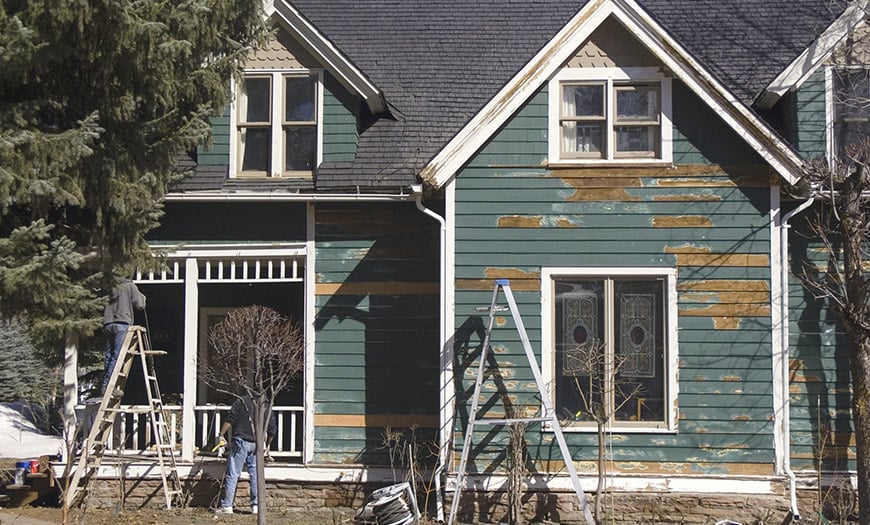
Buying a fixer-upper in the San Francisco Bay Area can be an opportunity to buy into a neighborhood you might otherwise be priced out of, create a home that fits your … Read more

Buyer-Focused
Buying a home in the San Francisco Bay Area isn't simply about choosing a city. It's about finding the right balance between budget, commute, lifestyle, space, and lon… Read more
Buyer-Focused
If you have a $1 million budget for a home in the San Francisco Bay Area, where you choose to live can make a significant difference in what that budget looks like.
Pacifica Content
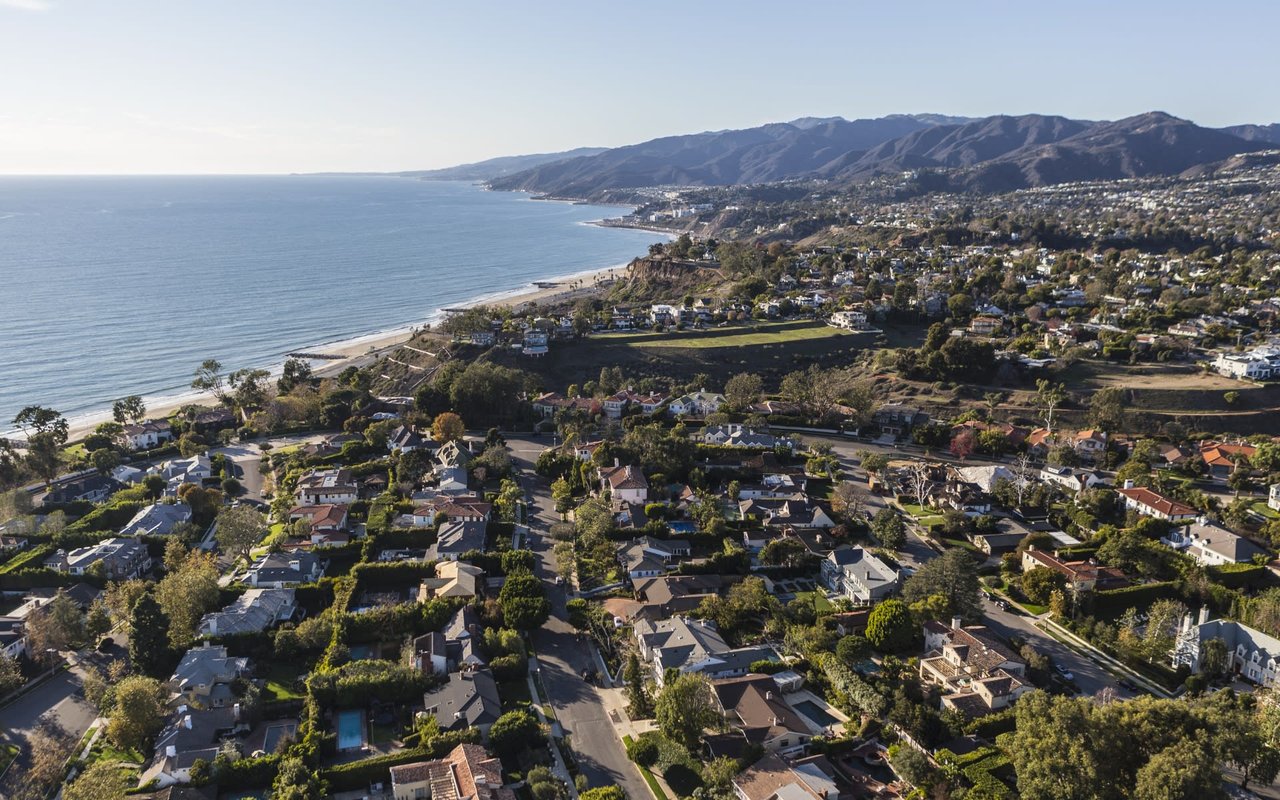
Pacifica is known for its coastal scenery, beaches, hiking trails, and relaxed community feel. But if you’re considering moving here, one of the most important things … Read more
Buyer-Focused
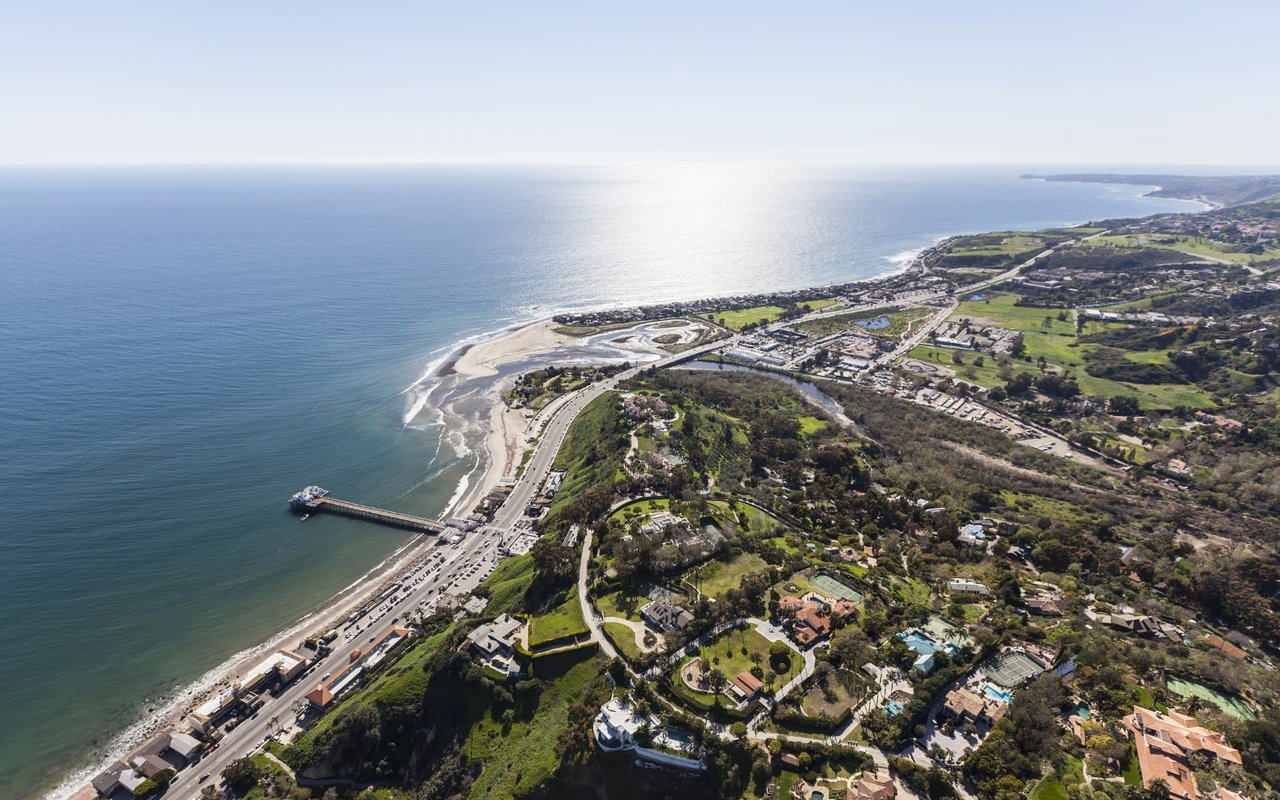
Buying your first home is a big step, and buying in Pacifica comes with its own considerations. From understanding your budget and financing options to evaluating coas… Read more
Buyer-Focused
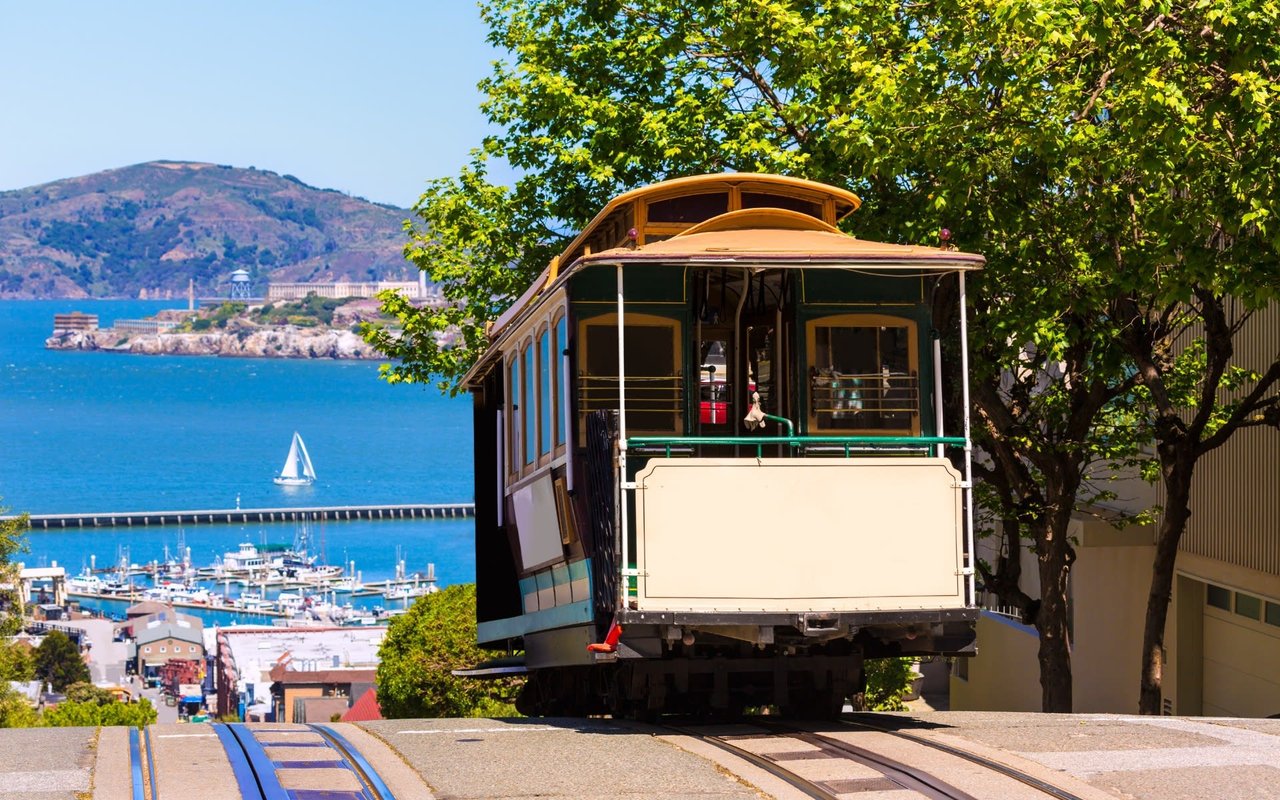
San Francisco may be a small city geographically, but each neighborhood can feel like its own little world.
Buyer-Focused
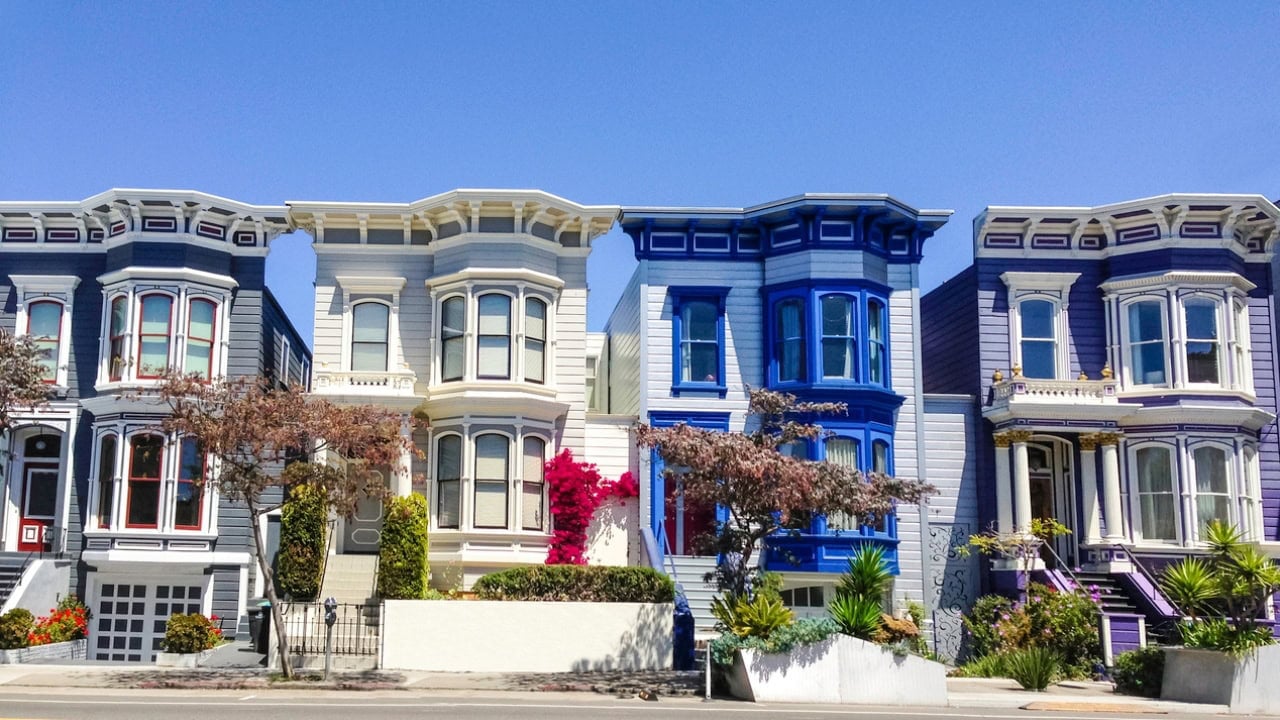
Buying your first home is exciting, but buying in the San Francisco Bay Area can feel especially complicated.
Get assistance in determining current property value, crafting a competitive offer, writing and negotiating a contract, and much more. Contact me today.