Prop 13 in California: What Bay Area Homeowners Need to Know Before Selling or Buying
Buyer-Focused Brooke Lau September 15, 2026
Buyer-Focused Brooke Lau September 15, 2026
If you have owned a home in the San Francisco Bay Area for many years, you may have noticed something surprising when looking at your property tax bill:
Your home's current market value may be dramatically higher than its assessed value.
For some longtime California homeowners, that difference can be substantial.
The reason often comes back to Proposition 13, California's landmark property tax law. Understanding how Prop 13 works can be especially important if you are thinking about selling, buying another home, downsizing, or transferring property to family members.
There is also an important distinction between Prop 13 and Prop 19. Prop 13 established California's property tax framework, while Prop 19 created additional rules for certain transfers between family members and for transferring a property's tax base when qualifying homeowners purchase a replacement primary residence.
Here is what Bay Area homeowners should know.
Proposition 13 was approved by California voters in 1978.
Among other provisions, it generally limits the assessed value of real property to its 1975 value adjusted annually for inflation by no more than 2%, until a change in ownership or new construction triggers a reassessment.
When a property changes ownership, the county assessor generally establishes a new base-year value based on the property's current fair market value as of the change in ownership.
This creates an important distinction:
Market value and assessed value are not necessarily the same thing.
Your home could be worth $2 million today while its taxable assessed value is substantially lower because of its historical Prop 13 base-year value.
Imagine someone purchased a San Francisco home decades ago for $300,000.
Over the years, the property's market value may have increased dramatically.
But the homeowner's assessed value generally does not automatically reset to today's market value every year. Instead, the Prop 13 assessed value generally increases by no more than 2% annually, subject to the law's rules.
That means a longtime homeowner can potentially have a much lower assessed value than a homeowner who recently purchased a similar property.
This is one reason two neighbors with homes worth similar amounts can have very different property tax bills.
This is one of the most important things to understand before selling.
When a property changes ownership, the county assessor generally reassesses the property to its current fair market value as of the date of the ownership change.
For the buyer, this means the property's previous owner's low assessed value generally does not carry over simply because the buyer purchased the same home.
For example:
Homeowner A
Purchased the home many years ago.
Current market value: $2 million
Historical Prop 13 assessed value: substantially lower
Buyer B
Purchases the home for approximately $2 million.
The property will generally receive a new base-year value based on the change in ownership.
The buyer's future property tax bill therefore may be significantly higher than the seller's previous bill.
This is an important consideration for buyers who are comparing homes.
Not exactly.
The reassessment generally applies to the property after the change in ownership.
The seller does not simply receive a new ongoing property tax bill based on the home's sale price because they sold it.
Instead, the sale generally triggers a change in ownership, which allows the assessor to establish a new base-year value for the property under California's property tax rules.
The seller's tax situation can involve other considerations, including potential capital gains tax, which is separate from property tax and should be discussed with a tax professional.
This is where Prop 19 may become especially important for certain homeowners.
California law allows qualifying homeowners to transfer the taxable value of their principal residence to a replacement principal residence anywhere in California if they meet specific requirements.
For example, homeowners who are at least 55 years old, severely disabled, or whose residence qualifies under certain disaster-related provisions may qualify.
The replacement home generally must be purchased or newly constructed within two years of the sale of the original residence.
The rules can be particularly important for longtime Bay Area homeowners who have built up significant equity but have a relatively low Prop 13 assessed value.
The tax benefit is not necessarily an all-or-nothing situation.
Under Prop 19, if the replacement home is equal to or less than the original home's value under the applicable rules, the factored base-year value can generally transfer to the replacement residence.
If the replacement home is more expensive, partial relief may still be available, with an adjustment to the transferred value based on the difference in the properties' values.
Because these rules are detailed and eligibility depends on the specific transaction, homeowners should confirm their situation with the appropriate county assessor and a qualified tax professional.
Prop 19 can be especially relevant for homeowners considering downsizing.
Imagine you bought your San Francisco home decades ago and your family has since moved out.
Your home may now be worth significantly more than when you purchased it, but you may not want the maintenance, space, or expense of continuing to own it.
Selling and purchasing a smaller home could potentially make sense from a lifestyle perspective.
For qualifying homeowners, Prop 19 may also allow the factored base-year value from the original principal residence to be transferred to a replacement principal residence, subject to the program's requirements.
This can make the tax implications an important part of the downsizing conversation.
This is another area where homeowners need to be very careful.
Many people have heard that they can simply transfer their home to their children and preserve the parent's low Prop 13 tax assessment.
The rules are more complicated.
Prop 19 changed California's rules for certain parent-child and grandparent-grandchild transfers beginning February 16, 2021.
Under current rules, certain transfers of a family home or family farm between parents and children, and under limited circumstances between grandparents and grandchildren, may qualify for an exclusion from reassessment. However, specific requirements apply, including rules concerning the property's use as a family home and timely filing of claims.
This is an area where you should not rely on an old family story, a neighbor's experience, or something you found online.
The tax consequences of a transfer can be significant.
Speak with a qualified tax professional or estate planning attorney before transferring ownership.
Not necessarily.
Your assessed value may be substantially different from current market value because of your property's Prop 13 base-year value and subsequent adjustments.
Generally, no.
A change in ownership generally triggers reassessment and establishes a new base-year value for the buyer.
Not automatically.
Certain family transfers may qualify for exclusions, but the rules changed significantly under Prop 19 and specific requirements apply.
Not necessarily.
Qualifying homeowners may be able to transfer their factored base-year value to a replacement principal residence that costs more, although the tax benefit can be adjusted when the replacement property is more valuable.
They are not.
Prop 13 established the state's property tax framework, including rules surrounding assessed values and changes in ownership.
Prop 19 subsequently changed certain rules involving transfers between family members and transfers of a tax base to qualifying replacement principal residences.
For longtime Bay Area homeowners, the difference between a home's current market value and its assessed value can be substantial.
That can affect how you think about:
For example, someone who purchased a San Francisco home decades ago may have a very different property tax situation from someone purchasing that same home today.
That does not mean the homeowner should or should not sell.
It simply means property taxes should be part of the conversation before making a major real estate decision.
If you are a longtime homeowner considering a move, start by finding out:
Your Realtor can help you understand the real estate side of the transaction and help you think through different scenarios.
But the tax rules can be highly fact-specific.
For Bay Area homeowners who have owned property for many years, Prop 13 can be an important part of the decision to sell, buy, downsize, or transfer property.
Your home's market value today may be dramatically different from its assessed value, and a change in ownership can have significant property tax consequences.
If you are considering selling a longtime Bay Area home, understand your property tax situation before you make a decision.
And if you are considering buying another home, transferring property to family, or using Prop 19, make sure you understand how the rules apply to your specific circumstances.
If you are thinking about selling your San Francisco or Bay Area home and want to understand the real estate considerations, I would be happy to help you explore your options.
Important disclaimer: This article provides general educational information about California property tax rules and is not tax, legal, estate planning, or financial advice. Prop 13 and Prop 19 rules can be complex, and eligibility depends on the specific facts and timing of a transaction. Before selling, buying, transferring, or restructuring ownership of a property, consult with a qualified tax professional, estate planning attorney, and/or your county assessor regarding your individual situation.

Buyer-Focused
If you have been searching for a home in San Francisco, you may have come across the term TIC.

Buyer-Focused
Buying a condo in San Francisco can be a great way to own a home in the city, but there is more to evaluate than the unit itself.
Buyer-Focused
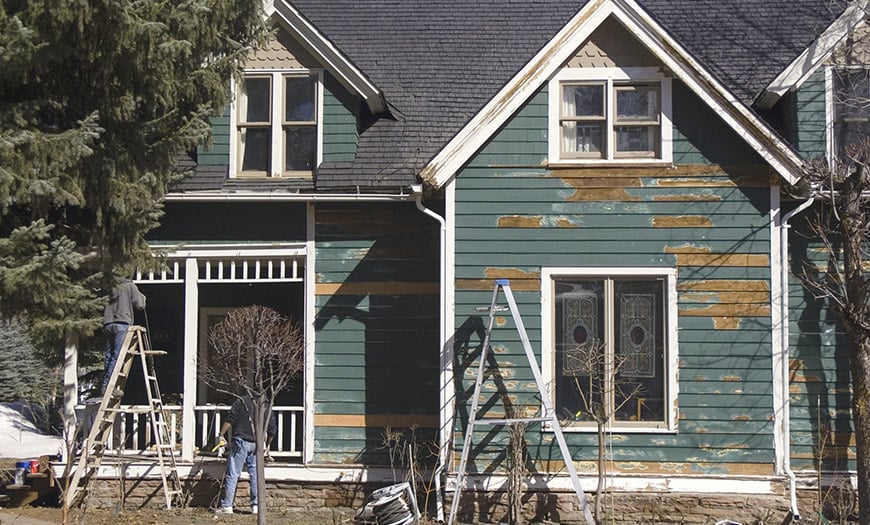
Buying a fixer-upper in the San Francisco Bay Area can be an opportunity to buy into a neighborhood you might otherwise be priced out of, create a home that fits your … Read more

Buyer-Focused
Buying a home in the San Francisco Bay Area isn't simply about choosing a city. It's about finding the right balance between budget, commute, lifestyle, space, and lon… Read more

Buyer-Focused
If you have a $1 million budget for a home in the San Francisco Bay Area, where you choose to live can make a significant difference in what that budget looks like.
Pacifica Content
Pacifica is known for its coastal scenery, beaches, hiking trails, and relaxed community feel. But if you’re considering moving here, one of the most important things … Read more

Buyer-Focused
Buying your first home is a big step, and buying in Pacifica comes with its own considerations. From understanding your budget and financing options to evaluating coas… Read more

Buyer-Focused
San Francisco may be a small city geographically, but each neighborhood can feel like its own little world.
Buyer-Focused
Buying your first home is exciting, but buying in the San Francisco Bay Area can feel especially complicated.
Get assistance in determining current property value, crafting a competitive offer, writing and negotiating a contract, and much more. Contact me today.